The New Transportation Frontier
Over the past few years, electric scooters, e-bikes, and golf carts have transformed how people move through cities, suburbs, and communities. They’re fast, affordable, and convenient, and they’re everywhere.
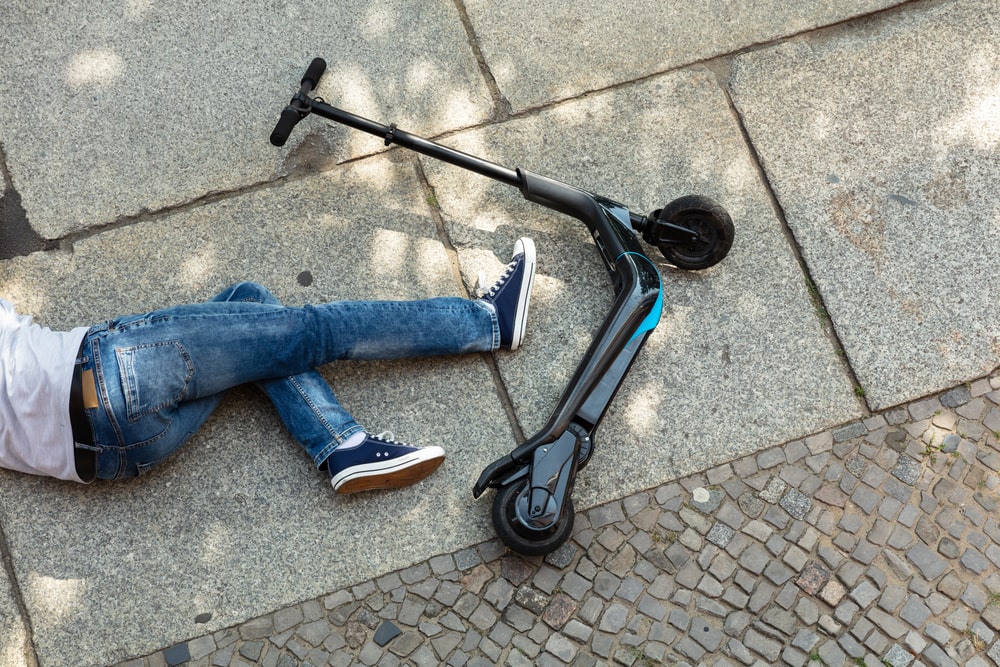
From college campuses to gated communities, these lightweight electric vehicles have filled a gap between walking and driving. But as their popularity skyrockets, so do accidents, many of them serious.
And when they happen, one big question looms: who’s responsible?
We’d like to thank our lawyers for the following post about the gray area of liability when it comes to e-scooters, e-bikes, and golf carts, in America’s new age of mobility.
The Rise Of “Micromobility” And The Risks That Come With It
Micromobility refers to small, lightweight vehicles, usually electric, that move people short distances. They’re part of the global push toward sustainability and reduced congestion. But with innovation comes legal confusion.
Because e-scooters and e-bikes occupy a gray zone between bicycles and motor vehicles, the laws governing them vary widely, sometimes from one city block to the next.
Common accident scenarios include:
- Collisions between scooters and cars at intersections
- Riders striking pedestrians on sidewalks
- Golf-cart crashes in gated neighborhoods or retirement communities
- Defective batteries or sudden power failures
- Poorly maintained or improperly parked shared scooters causing trip hazards
Each scenario raises different questions of negligence and responsibility.
Who Could Be Liable After A Micromobility Accident?
- The Rider
Riders are often first in line for scrutiny. If a person was speeding, riding on the sidewalk illegally, or using their phone while operating the device, they may share or bear full responsibility.
However, not every crash is the rider’s fault. Many are caused by design flaws, poor infrastructure, or maintenance failures beyond the rider’s control.
- The Scooter O\or Bike Company
Rental companies like Lime, Bird, or Spin maintain fleets across the country. These companies have a duty to keep devices safe and functioning properly.
If brakes fail, throttles stick, or the scooter’s software malfunctions, the company could be liable under product liability or negligent maintenance laws.
Most rental contracts include user waivers, but those don’t always hold up in court, especially when a company’s negligence caused the injury.
- The City or Municipality
Cities decide where scooters can operate and are responsible for road conditions, bike lanes, and signage. If a crash stems from a dangerous road design, hidden pothole, or lack of designated space for riders, a municipal entity could share fault.
However, suing a government agency often involves strict notice and filing deadlines, something most injured people don’t realize until it’s too late.
- Other Motorists or Pedestrians
Traditional drivers still cause the majority of serious scooter and e-bike injuries. When a driver fails to yield or check blind spots, the results can be catastrophic for unprotected riders.
The Hidden Dangers Of Low-Speed Crashes
Just because e-scooters and golf carts move slower than cars doesn’t mean the injuries are minor.
Low-speed impacts can cause:
- Traumatic brain injuries — especially if helmets aren’t worn
- Broken wrists and collarbones from bracing a fall
- Facial fractures and dental trauma
- Severe road rash that can lead to infection
- Soft-tissue and spinal injuries from being thrown or jolted
Because these devices lack seatbelts, airbags, and protective shells, riders absorb the full force of impact. Even small collisions can lead to long-term pain and medical costs.
The Legal Gray Zone Of Golf Carts
Golf carts once stayed confined to fairways, but not anymore. In many communities, they’re used daily for errands, commuting, and recreation.
The catch? Many drivers don’t realize they’re subject to the same basic negligence standards as cars.
Accidents often happen when:
- Carts are modified to go faster than their intended speed
- Drivers carry too many passengers or fail to secure children
- Unlicensed teens or underage drivers take the wheel
- Paths overlap with pedestrian walkways or main roads
Insurance coverage can be tricky, too. Standard auto policies rarely cover golf-cart use, and homeowner’s policies may only apply in limited situations. That leaves many victims and cart owners surprised by uncovered losses after a crash.
The Role Of Infrastructure And Design
Many cities weren’t built with scooters and e-bikes in mind. Narrow roads, inconsistent bike lanes, and uneven pavement make accidents more likely.
Without clear separation between cars, pedestrians, and micromobility devices, everyone’s safety is compromised.
Infrastructure plays such a big role that some researchers argue that scooter safety is less about rider behavior and more about environment. When cities invest in protected lanes and smoother surfaces, accident rates drop sharply.
Product Liability And Manufacturing Defects
Beyond rider and road factors, a growing number of claims now center on defective design or manufacturing.
Common product defects include:
- Batteries that overheat or catch fire
- Brakes or throttles that stick
- Steering columns that snap mid-ride
- Software glitches causing unexpected acceleration
In these cases, the manufacturer or distributor may be legally responsible. The challenge lies in proving the defects, especially when companies rapidly repair or remove devices after an accident.
Preserving evidence (taking photos, noting serial numbers, and filing reports immediately) can make or break a claim.
Insurance: The Patchwork Problem
Insurance coverage for micromobility is notoriously inconsistent:
- Personal health insurance covers medical costs but not lost wages.
- Auto insurance may apply if a car driver caused the crash, but usually not if the victim was the rider.
- Homeowner’s or renter’s insurance might cover injuries caused by a privately owned scooter or golf cart, but not rentals.
- Rental app terms of service often shift responsibility onto users, even for mechanical failures.
This uncertainty leaves victims scrambling to understand who pays. It also highlights how quickly transportation innovation outpaces regulations.
Preventing Micromobility Accidents
While infrastructure and corporate responsibility matter, individuals can still reduce risk:
- Wear a helmet — head injuries account for nearly half of serious scooter hospitalizations.
- Inspect the device before riding, test brakes and tires.
- Avoid distractions — no phone use or headphones while operating.
- Obey local rules on where scooters and carts are allowed.
- Stay visible — use lights and reflective gear at night.
Education and awareness remain the best protection until laws catch up with technology.
What To Do After An E-Scooter, E-Bike, Or Golf-Cart Accident
If you’re injured while riding or struck by one of these devices:
- Get medical care immediately. Even minor falls can cause head or spinal injuries.
- Document the scene. Take photos of the vehicle, surroundings, and any visible defects.
- Collect witness information and report the incident to authorities or the rental company.
- Preserve the device if possible. Don’t return or discard it before photographing serial numbers and damage.
- Speak with a bicycle accident lawyer who understands emerging transportation laws.
Early documentation and investigation can uncover factors, like poor maintenance or defective parts, that aren’t obvious at first glance.
The Bigger Picture: Technology Outpacing Accountability
E-scooters, e-bikes, and golf carts represent an exciting shift toward cleaner, more accessible mobility. But as innovation speeds ahead, legal frameworks lag behind.
Cities, manufacturers, and insurers are still catching up, often at the expense of injured riders and pedestrians.
Until clear national standards emerge, responsibility will remain scattered. The safest move for individuals is to stay informed, ride defensively, and know their rights if something goes wrong.
Because when convenience meets complexity, accountability shouldn’t get lost in the middle.