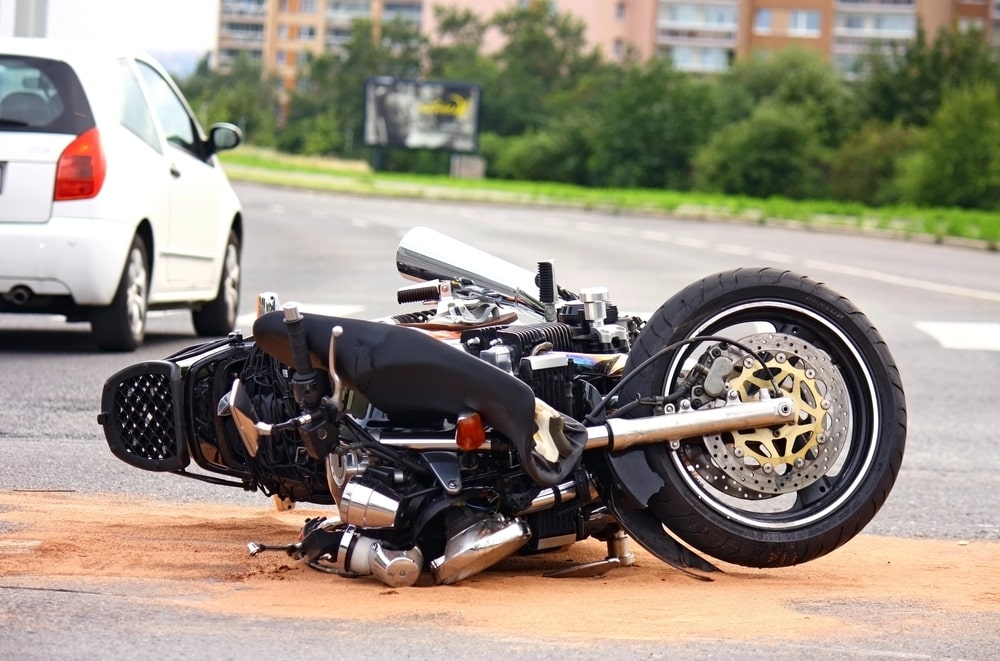
Riding a motorcycle in less than ideal conditions requires skill, caution, and heightened awareness. Unfortunately, even the most experienced riders can find themselves involved in accidents when weather and visibility become factors. What many bikers don't realize is that these same conditions that made the crash more likely can also make proving fault significantly more difficult.
Our friends at The Edelsteins, Faegenburg, & Blyakher LLP across the country discuss how weather-related motorcycle accidents present unique legal challenges. A motorcycle accident lawyer who handles these cases understands that insurance companies often use poor conditions as justification to shift blame onto riders.
Why Insurance Companies Target Weather-Related Claims
When a motorcycle accident happens during rain, fog, or darkness, adjusters often argue that the rider assumed the risk by choosing to operate in hazardous conditions. This defense strategy attempts to reduce or eliminate the compensation owed to injured bikers.
We see this pattern repeatedly. The logic goes something like this: if you knew conditions were dangerous and rode anyway, you share responsibility for what happened. Insurance companies bank on this argument resonating with juries who may not ride motorcycles themselves.
Common Weather And Visibility Scenarios
Certain conditions create perfect storms for both accidents and disputed liability:
- Heavy rain reducing tire traction and sight distance
- Fog limiting visibility to just a few feet
- Dawn or dusk when light levels change rapidly
- Nighttime riding on poorly lit roads
- Wet leaves or debris on roadways
- Glare from sun or headlights on wet pavement
Each scenario introduces variables that complicate the question of who was at fault. Just because conditions were poor doesn't mean the other driver wasn't negligent.
How Fault Gets Shifted To Riders
Insurance adjusters use several tactics to blame motorcyclists in weather-related crashes. They'll argue you were traveling too fast for conditions, even if you were under the speed limit. They'll question whether your headlight was visible enough. They'll suggest you should have pulled over and waited out the weather.
These arguments ignore a fundamental truth. Other drivers have a legal duty to watch for motorcycles regardless of weather conditions. Failing to see a motorcycle because of rain or darkness doesn't absolve a driver of responsibility.
What Actually Matters In These Cases
The key issue isn't whether conditions were poor. The question is whether the other party acted reasonably given those conditions. We focus on proving specific negligent behaviors:
Did the driver fail to use headlights appropriately? Were they following too closely for the wet road surface? Did they make a turn without adequately checking for motorcycles? Were they driving distracted, making visibility issues worse?
According to the National Highway Traffic Safety Administration, driver error causes the vast majority of motorcycle accidents. Poor weather doesn't change that fundamental reality.
Building A Strong Case Despite The Conditions
Documentation becomes even more important when weather is a factor. We work to gather all available evidence that shows what actually happened:
Weather reports from the exact time and location prove conditions weren't as severe as claimed. Witness statements confirm visibility was adequate. Accident reconstruction demonstrates the other vehicle's actions caused the crash. Photos of the scene show road conditions and lighting.
Your medical records matter too. The severity and location of your injuries often tell a story about how the collision occurred and who was at fault.
The Comparative Negligence Issue
Many states apply comparative negligence rules to injury claims. This means your compensation can be reduced by your percentage of fault. Insurance companies push hard to assign bikers a high fault percentage in weather-related cases.
We've seen adjusters argue that riding in the rain automatically makes you 50% at fault. That's simply not how the law works. Riding in poor weather isn't negligent if you're operating safely and following traffic laws.
Don't Let Weather Bias Hurt Your Claim
The bias against motorcyclists intensifies when weather enters the picture. Many people assume bikes are inherently dangerous and that riding in rain or darkness is reckless. This cultural bias can influence how insurance companies evaluate claims and how juries view cases.
Your choice to ride doesn't make you responsible for another driver's negligence. If someone turned left in front of you, rear-ended you, or merged into your lane, those actions were negligent regardless of whether it was raining.
Weather and visibility conditions add layers of difficulty to motorcycle accident claims, but they don't eliminate your right to fair compensation. If you've been injured in a crash that occurred during poor conditions, don't accept the insurance company's version of events without getting legal advice. We can help you understand your options and build the strongest possible case based on what actually happened, not what the weather was doing.