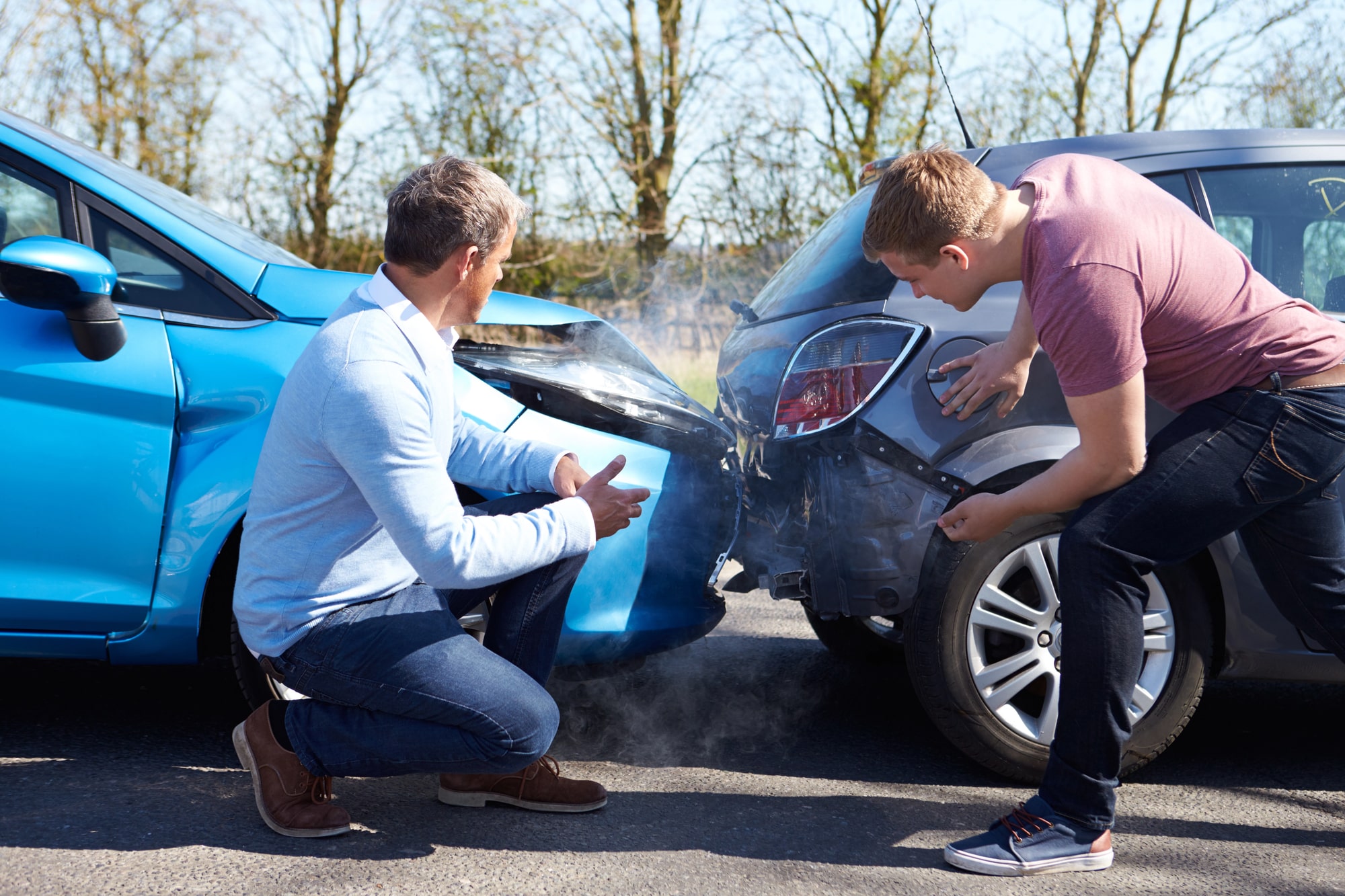
Dashcams are everywhere now. You've probably noticed more drivers installing these small cameras on their windshields, recording everything that happens on the road. When an accident occurs, that footage can make or break your claim.
Lawyers see this all the time in their practice. If you're working with a car accident lawyer or any attorney handling your case, you need to understand what this video evidence actually means for your situation.
How Dashcam Footage Helps Your Case
Video doesn't lie. That's the simple truth about dashcam evidence, and it's why this footage can be incredibly powerful when you're trying to prove what happened. Think about it this way: instead of relying on conflicting memories or questionable witness accounts, you've got a recording of the actual collision. If someone ran a red light and slammed into you, the camera caught it. If a driver cuts you off without signaling, there's proof. Here's what good dashcam footage can do for you:
- Proves exactly who's at fault. No more he-said-she-said arguments about what really happened.
- Stops liars in their tracks. Some people will absolutely fabricate their version of events. Video shuts that down immediately.
- Pushes insurance companies toward fair settlements. Adjusters know solid video evidence means they'll probably lose in court, so they're more likely to negotiate seriously.
- Backs up witness statements. When memories get fuzzy or people disagree, the camera provides clarity.
Insurance adjusters hate dealing with clear video evidence that proves their client was wrong. That reality works in your favor.
When Dashcam Footage Works Against You
But cameras don't pick sides. They record what actually happened, even when that reality isn't helpful to your case. Maybe you were glancing at your phone right before the crash. Perhaps you didn't use your turn signal, or you were tailgating. The footage won't care that you're the victim in other ways. It just shows what you did wrong.
Insurance companies will use your own camera against you without hesitation. They'll review every frame looking for violations, distractions, or aggressive driving on your part. Even minor infractions can reduce your compensation significantly under comparative negligence rules. This is where things get tricky. You can't hide the footage once you've told people it exists, but you also don't want to volunteer evidence that damages your claim.
Quality And Angle Limitations
Not every dashcam recording actually proves anything useful. I've seen plenty of footage that raised more questions than it answered. Camera quality matters enormously. Was the collision at night? Poor lighting can make it impossible to see what happened. Is your camera older and low-resolution? You might not be able to make out license plates or traffic signals clearly enough to matter.
Then there's the angle problem. Your camera only captures what's directly in front of you. It won't show the car in your blind spot or what happened behind you. A limited field of view means the full story might not appear on screen at all. Timestamps become important too. If your camera's clock was wrong by several minutes, that could affect how people interpret the sequence of events.
Legal Considerations For Dashcam Evidence
Most places allow dashcam recordings without any issues. Audio recording sometimes requires consent depending on where you live, but video-only footage generally doesn't create legal problems. You need to preserve the original file immediately after an accident. Don't edit anything. Don't delete portions. Make backup copies and store them safely. Tampering with evidence will destroy your entire claim and could land you in serious legal trouble. Insurance companies can request the footage if they know you have it. Refusing to provide it when you're legally required to do so makes you look like you're hiding something. That said, don't just hand it over voluntarily without talking to an attorney first. There's a big difference between being legally compelled and voluntarily giving away evidence.
What Courts Think About Dashcam Evidence
Judges and juries generally trust video evidence because it's objective. Unlike testimony that depends on someone's memory weeks or months after the fact, dashcam footage shows exactly what happened in real time. Courts still require proper authentication though. Someone needs to testify about when and where the recording occurred. You'll need to verify that nobody altered the file. Technical problems with your camera or how you stored the video might affect whether it's even admissible in court. The footage carries weight, but it's not automatically accepted just because it exists.
Making Smart Decisions With Your Footage
If your dashcam recorded your accident, don't share it with anyone until you've reviewed it carefully. What looks helpful at first glance might actually contain information that hurts you. You might've committed a minor traffic violation seconds before someone else caused the main collision. Get legal advice before you make that footage available to insurance adjusters or other parties involved in the crash. An attorney can evaluate whether the evidence actually helps your position or whether you need to develop a different strategy. Sometimes staying quiet about the existence of footage is the smartest move. Other times, it's your strongest piece of evidence. The difference between those two scenarios can mean thousands of dollars in your settlement. Don't make that call on your own when professional guidance can protect your interests and make sure you're using the evidence in the most effective way possible.