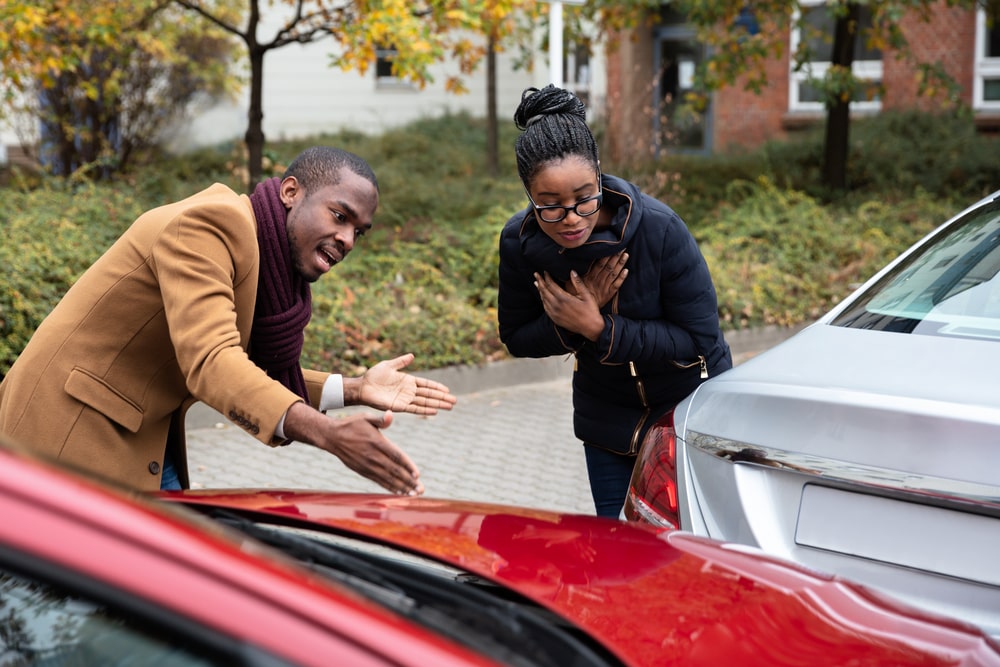
After a car accident, emotions run high. People are shaken, stressed, and often eager to get out of traffic and move on. In that moment, many drivers exchange only the basics—insurance cards and a quick apology—assuming that’s enough. In reality, limiting information exchange after a crash can create serious problems later, especially when injuries or disputes arise.
Exchanging more than just insurance information is one of the most important steps drivers can take to protect themselves after an accident. Below, our colleagues at Ganderton Law, LLC explain why you should always exchange more than insurance information after a crash.
Insurance Information Alone Doesn’t Tell the Whole Story
Insurance details are necessary, but they are only one piece of a much larger puzzle. An insurance card does not:
- Confirm who owns the vehicle
- Show whether the policy is active or sufficient
- Explain what actually happened
- Identify witnesses
- Capture conditions at the scene
When disputes arise—as they often do—insurance companies rely on evidence, not assumptions. Without additional information, the narrative of the crash may be incomplete or inaccurate.
Key Information Drivers Should Exchange
In addition to insurance details, drivers should exchange:
- Full name and contact information
- Driver’s license number
- Vehicle make, model, and year
- License plate number
- Name of the vehicle owner (if different from the driver)
This information helps establish who was involved and prevents confusion later, especially if a vehicle is borrowed, leased, or owned by someone other than the driver.
Why Witness Information Is Critical
Car accident lawyers know that independent witnesses can make or break a claim. They provide unbiased accounts that can clarify what happened when drivers disagree.
If witnesses are present, try to collect:
- Names
- Phone numbers
- Email addresses
Witnesses often leave quickly, and once they’re gone, their perspective may be lost forever. Insurance companies give significant weight to neutral third-party statements.
Photos Are One of the Most Powerful Tools
Photos taken at the scene often carry more influence than written statements made days later. Drivers should photograph:
- All vehicles involved
- Damage from multiple angles
- License plates
- Skid marks
- Debris
- Traffic signals or signs
- Road conditions
- Weather and lighting
Conditions change fast. Vehicles are moved, debris is cleared, and weather shifts. Photos preserve the scene as it actually was.
Why Police Reports Matter
Calling law enforcement creates an official record. Police reports often include:
- Driver statements
- Witness statements
- Diagrams of the scene
- Preliminary fault assessments
- Citations issued
Even when officers do not determine fault at the scene, their documentation provides structure and credibility to later investigations.
Injuries May Not Be Obvious Right Away
Many people decline medical attention at the scene because they “feel okay.” Adrenaline can mask pain, and symptoms from injuries like whiplash, concussions, or soft tissue damage may take hours or days to appear.
Documenting the crash thoroughly helps establish a clear connection between the accident and later medical treatment—something insurers often scrutinize.
Avoid Relying on Memory Alone
Stress and shock affect memory. Details that seem clear immediately after a crash may blur over time. Writing down what happened as soon as possible—while events are fresh—can help preserve accuracy.
Important details to note include:
- Direction of travel
- Speed estimates
- Lane positions
- Traffic signal status
- Any unusual driver behavior
These notes can be invaluable if questions arise later.
Be Careful What You Say
While exchanging information is important, speculation is not. Avoid statements like:
- “It was probably my fault”
- “I didn’t see you”
- “I’m fine”
Stick to objective facts. Fault determinations often evolve as evidence is reviewed, and casual statements can be misinterpreted later.
Why Thorough Documentation Protects Everyone
Exchanging comprehensive information isn’t about blame—it’s about clarity. It helps ensure:
- Accurate claims handling
- Fair assessment of responsibility
- Proper coverage identification
- Reduced disputes
- Faster resolution
When drivers take a few extra minutes at the scene, they protect themselves from misunderstandings that can cause months of frustration later.
Final Thoughts
Accidents happen quickly, but their consequences can last a long time. Exchanging more than just insurance information helps preserve the facts, protects your interests, and creates a clearer path forward if questions or injuries arise.
Being prepared and thorough at the scene is one of the simplest ways to safeguard yourself after a crash.