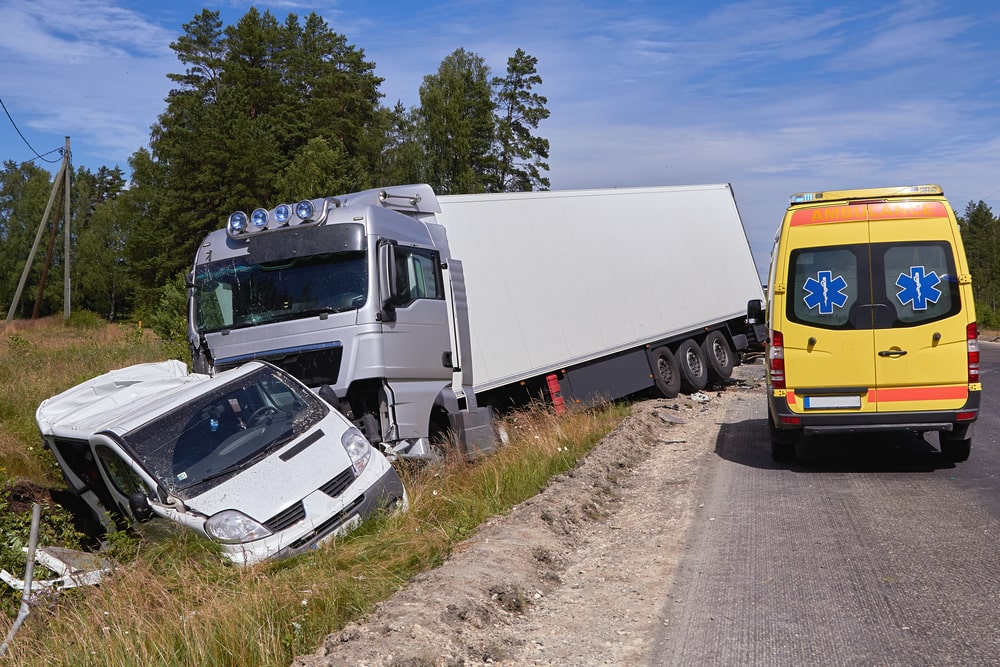
While car accidents and truck accidents may appear similar at first glance, the legal claims that follow are often very different. What separates these two types of cases is not just the size of the vehicles involved but the number of parties, types of evidence, and regulations that come into play. If you've been injured in a crash involving a commercial truck, it's important to understand that your case may involve additional steps and considerations compared to a typical auto collision.
There Are Often Multiple Parties Involved
In a typical car accident, the two drivers are usually the only parties involved. With truck accidents, it’s rarely that simple. Commercial trucking involves several entities—such as the truck driver, the company that owns the truck, the company that maintains the vehicle, and even the shipper of the cargo. Each of these parties could share some degree of responsibility for the accident.
This means that identifying who is legally responsible is often more complicated and can affect how a claim moves forward. It’s not uncommon for trucking companies to point fingers at drivers or third-party maintenance providers in an effort to limit their own liability.
Commercial Vehicles Must Follow Specific Safety Rules
Trucks are subject to federal and state safety rules that don’t apply to passenger vehicles. These rules cover driver work hours, truck weight limits, equipment checks, and even how loads are secured. If one or more of these rules were violated, it could significantly influence the outcome of a claim.
However, proving that a rule violation contributed to the accident requires access to records that the average person doesn’t typically know to request. These might include driver logs, inspection records, or data from the truck’s onboard systems. Gathering this kind of documentation is critical in building a strong case.
Injuries And Damage Tend To Be More Severe
Due to the size and weight of commercial trucks, crashes often result in serious injuries or fatalities. These injuries may lead to long-term medical care, extended time away from work, and significant lifestyle changes. For that reason, the financial impact of a truck accident is often greater than that of a car accident.
When pursuing a claim, it’s important to account for not just current medical expenses but also projected costs, loss of income, and changes to one’s ability to earn a living in the future. Insurance companies may attempt to offer a quick settlement, but these early offers rarely reflect the full picture.
Evidence Disappears Quickly Without Action
In truck crash cases, critical evidence can be lost if steps are not taken early on. For example, trucking companies may only retain driver logs or maintenance records for a limited time. Without a legal request to preserve this information, it could be destroyed or altered.
In addition, some trucks are equipped with electronic control modules that record data about speed, braking, and other factors. This data can be essential in showing what happened in the moments before the crash—but again, it must be retrieved before it's lost or overwritten.
Trucking Companies Have Significant Legal Resources
Another major difference between car and truck accident cases is that trucking companies are often backed by corporate legal teams and large insurance carriers. These organizations are experienced in defending claims and are focused on reducing their exposure.
This imbalance can be a challenge for individuals trying to handle the claim on their own. Attorneys like those at Pavlack Law, LLC can attest to the importance of having representation that understands how these companies operate and how to respond effectively. Without that, it's easy for valid claims to be delayed or undervalued.
The Legal Process Can Be More Involved
Truck accident claims can involve investigations, formal requests for documents, expert analysis of crash data, and negotiation with multiple parties. Unlike a straightforward car accident claim, this process often requires more time and legal strategy.
Having support from a truck accident lawyer or someone with experience in commercial vehicle cases means the claim is more likely to be taken seriously. It also improves the chance of securing compensation that reflects the true impact of the crash.
Moving Forward After A Truck Accident
If you've been injured in an accident involving a commercial truck, it’s important to recognize that these cases follow a different path than standard auto claims. From identifying who is responsible to gathering evidence that may disappear quickly, every step plays a role in the outcome. Taking action early and seeking the right legal support can help protect your rights and give you a better chance at recovery—both physically and financially.